
Adding time travel into the equation always complicates things, and that’s definitely true of Avengers: Endgame. In the Marvel blockbuster’s case, it’s especially tricky, as the film outlines its own take on time travel rules that differ from those that sci-fi fans have got used to from classic movies in the genre. In many ways, this helps the sequel avoid plot holes, but there are still a few times throughout that the rules get tangled.
Endgame establishes that every change to the past results in the creation of a different branch of the timeline and does not simply alter the present. To navigate through these various pathways, then, the Avengers need Stark’s Quantum GPS plus Pym Particles to enter the Quantum Realm in the first place. This is why it doesn’t make much sense when the 2014 era Thanos travels to New York in 2023 to battle the heroes as he has neither of these key items.
The obvious rebuttal to this is that 2014 Nebula has already infiltrated this timeline by stealing the prime Nebula’s GPS and particles and guides the Mad Titan to this time with Hulk’s machine. However, Thanos would still need the same sort of tech that the Avengers needed in order to traverse the timelines in the first place.












The only explanation is if Thanos has created his own alternate takes on the GPS and the Pym Particles. Though Endgame seems to depict his assault on the Avengers HQ as happening immediately, perhaps the villain actually spent a long while working on his own time travel inventions based on Stark and Pym’s methods. A certain amount of time has definitely passed, as Thanos has managed to gather an enormous army of Chitauri and Outriders and taken them with him.
Writers Christopher Markus and Stephen McFeely have cleared up a similar dangling plot thread involving Captain America, so hopefully they’ll soon explain this puzzling aspect of the narrative. In the meantime, though, tell us, does this Avengers: Endgame plot hole bother you? And do you have another explanation for it? Let us know in the comments section down below.

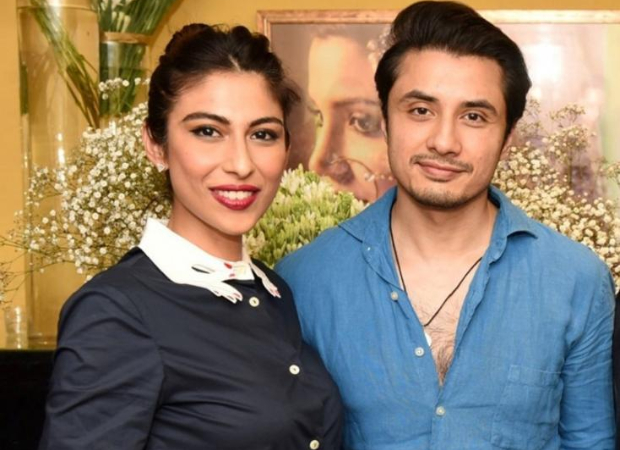 Ali Zafar took to Twitter and wrote, “Meesha Shafi’s case against me has been dismissed alongside the appeal made against the dismissal. The case in the court is my case against her to pay for damages that her false statement has caused me, which naturally she is trying to run away from. I have also filed a case against all the fake and other accounts being used to run a campaign against me on social media. I have been quiet about all this for a year while thousands of disgusting tweets were posted against me, like a campaign every time a big event comes. But it’s time to expose the truth via due process of law for which I urge the FIA (Federal Investigation Agency) to take strict legal action. And a prayer to our respected courts to decide the matter at earliest for which I would like everyone to join me in asking Miss Shafi to come to the court. #FaceTheCourtMeeshaShafi.”


 In the DFF’s statement it has been clarified that the action has been taken keeping in mind the guidelines of Election Commission. According to the EC guidelines, the Model Code of Conduct, MCC is in force. In order to avoid any kind of level playing fields to all political parties, the Directorate has arrived at a decision of postponing the dates until the election is over and the MCC concludes. Generally, the winners of the National Film Awards are announced in April, with the ceremony of their felicitation being held in May.
In some reports, the jury members, Shekhar Kapur of Mr. India fame and filmmaker C V Reddy have agreed with the decision. They, too, believe that owing to the political scenario and how closely Bollywood is linked to politics, it is better to keep 66th National Film Awards away from the elections. Reddy also reinstated that by doing so, they are only adhering to the guidelines of the Election Commission. On the other hand, some others like filmmaker Rajesh Mapuskar feel that the wait is too long and wasn’t very happy that they wouldn’t have delayed the award announcements.
In the DFF’s statement it has been clarified that the action has been taken keeping in mind the guidelines of Election Commission. According to the EC guidelines, the Model Code of Conduct, MCC is in force. In order to avoid any kind of level playing fields to all political parties, the Directorate has arrived at a decision of postponing the dates until the election is over and the MCC concludes. Generally, the winners of the National Film Awards are announced in April, with the ceremony of their felicitation being held in May.
In some reports, the jury members, Shekhar Kapur of Mr. India fame and filmmaker C V Reddy have agreed with the decision. They, too, believe that owing to the political scenario and how closely Bollywood is linked to politics, it is better to keep 66th National Film Awards away from the elections. Reddy also reinstated that by doing so, they are only adhering to the guidelines of the Election Commission. On the other hand, some others like filmmaker Rajesh Mapuskar feel that the wait is too long and wasn’t very happy that they wouldn’t have delayed the award announcements.


